The news, the ads, the influencers and a feed that seems to know you.
Fifty-five questions in three levels about how the media shapes what we buy, what we wear
and what we believe.
Ask and answer with a partner, or with me. Tap a card when you have
answered it.
Who decides what you see? The news, the ads and the people you
follow online all want your attention, and they change what you buy, what you wear and
what you believe. Today you talk about the media in your life. There are three sets of
questions: Beginner, Intermediate and Advanced. Answer the ones at your level, then try
one from the next level.
Useful language
The first app I open is …I see messages / videos / the news.My family gets the news from …I saw it first in an ad / on Instagram / in a store.I always skip the ads.Sometimes I watch them.Everybody is talking about … because …I don't know. I don't follow the news.
0 / 0
EXERCISE 02Vocabulary
Media words
Click a word, then click its meaning. Correct pairs turn green. The audio
button says the word.
Word
Meaning
EXERCISE 03Vocabulary in context
Complete the sentences
Click a word in the bank, then click a gap. Click a filled gap to clear
it.
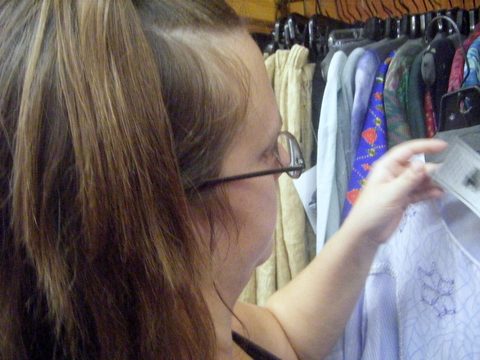
The jacket usually costs $100, but this week there's a 30%
_____, so I paid only $70.
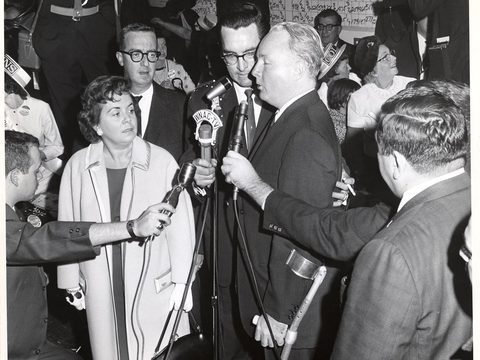
The
_____ asked the mayor three hard questions, and her report was on the evening news.
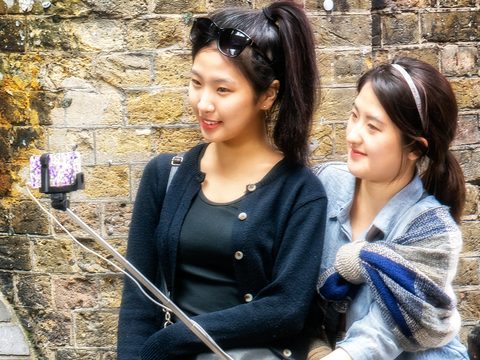
She isn't an actress or a singer. She's an
_____: two million people follow her online, and companies pay her to wear their sneakers in her videos.
Somebody said that our teacher is leaving the school, but nobody knows if it's true. For now, it's only a
_____.
Last night we watched a
_____ about penguins. Nothing in it was made up: a camera team followed real penguins for a whole year.
Before the video started, there was a thirty-second
_____ for a new soda, and I couldn't skip it.
My grandfather doesn't like to read the news on a screen. Every morning he buys a
_____ and reads it with his coffee.
When the famous actor walked into the restaurant, everybody took out their phones. It isn't every day that you see a real
_____ eating pizza at the next table.
EXERCISE 04Speaking · A1-A2
Beginner (A1-A2)
Ask and answer with a partner, or with me. Answer in one or two sentences,
and always say why. Need help? Open the answer prompts and choose the words that are
true for you. Tap a card when you have answered it.
Answer prompts
1 · I like to watch [movies / TV shows / documentaries] because [they are interesting / they help me relax / I learn new things].2 · Yes, I think the media can change people's opinions because [it shows different views / it tells stories / it influences how we think].3 · Yes, I watch the news. I usually learn about [world events / local news / important issues like health and politics].4 · Social media affects my life by [keeping me connected with friends / helping me learn new things / making me aware of trends].5 · Yes, I follow [actors / singers / influencers] because [I like their posts / I enjoy their content / they inspire me].6 · No, I don't believe everything on TV because [sometimes it is exaggerated / it may not be true / it can be biased].7 · Advertisements influence what I buy by [showing me new products / making them look appealing / offering discounts].8 · I like to see stories about [sports / technology / human interest / animals].9 · No, I don't think the media always tells the truth because [it can be biased / it might not have all the facts / it sometimes focuses on one side].10 · Media can influence behavior by [showing people what's popular / encouraging trends / changing opinions about products].11 · Yes, social media is a good way to learn because [there are many educational posts / you can follow experts / it's easy to access information].12 · I feel [okay / concerned / neutral] about people sharing everything online because [some things should be private / it can help connect with others / it might cause problems].13 · Sometimes, I trust influencers because [they share honest opinions / they show real experiences / they recommend good products].14 · Media affects the way we think by [showing different cultures / shaping our opinions on events / making us aware of problems].15 · I prefer [real life / fantasy] because [it feels more relatable / I love the adventure / I enjoy imagining new worlds].16 · I use social media [every day / a few times a week / rarely] because [I like to stay connected / it helps me relax / I follow interesting people].17 · I decide what to watch based on [recommendations / my mood / trending shows].18 · The media affects how I see beauty and fashion by [showing me new trends / making me compare myself to others / influencing what's popular].19 · I think the news shows [only the bad side / both sides / sometimes just one side] because [it can focus on negative events / it wants to get attention / it doesn't always tell the whole story].
0 / 0
EXERCISE 05Speaking · B1-B2
Intermediate (B1-B2)
Give your answer, a reason and a real example: an ad, a post, a show or a
news story you saw. Your partner asks you one more question about it. The answer prompts
are there if you need a start. Tap a card when you have answered it.
Answer prompts
1 · Social media influences the way people dress by [showing new trends / making fashion popular / encouraging self-expression / creating fashion challenges].2 · No, I don't think news channels always tell the full story because [they may focus on one side / they may leave out important details / they try to get viewers' attention / they might be biased].3 · I feel [annoyed / interested / indifferent / curious] when I see advertisements because [they are often repetitive / they show new products / they sometimes make me want to buy things / I find them distracting].4 · The media affects how people view celebrities by [making them look perfect / showing their personal lives / creating false images / influencing public opinion about them].5 · Yes, the media has a big impact because [it keeps me informed / it influences my decisions / it shapes my opinions / it entertains me].6 · Social media platforms decide what to show based on [your interests / what's trending / what you've liked before / how many followers the account has].7 · Yes, the news should focus more on positive stories because [it can improve people's mood / it can inspire others / it brings hope / it would balance out negative news].8 · The media influences what people talk about by [highlighting important events / creating trends / showing popular topics / focusing on sensational stories].9 · I believe the media makes us [more informed / more confused] because [it provides a lot of information / it often shows mixed messages / it can be difficult to know what's true / it simplifies complex issues].10 · Social media helps friendships by [keeping people connected / making it easy to share updates / allowing people to stay in touch / offering support in times of need]. Social media hurts friendships by [creating misunderstandings / making people feel left out / causing jealousy / making friendships feel less personal].11 · I decide what news is trustworthy by [checking the source / looking for multiple reports / seeing if experts agree / checking the facts].12 · I enjoy watching [vlogs / tutorials / educational videos / music videos] because [they are entertaining / they help me learn / they are relaxing / they show things I'm interested in].13 · The media influences how I feel about the world by [showing both positive and negative news / raising awareness about issues / making me more aware of different cultures / causing me to worry about problems].14 · I think it's [good / bad / okay] because [they can inspire others / they have a large audience / their opinions can influence people / they sometimes spread misinformation].15 · The media changes the way people act by [influencing their fashion choices / encouraging them to try new things / setting standards for behavior / making them follow trends].16 · I think the media should [show both sides / focus on one side / provide more balanced information] because [it helps us understand different viewpoints / it's important to know the facts / it can be misleading].17 · Media can help raise awareness by [showing documentaries / sharing news stories / educating people on social media / featuring experts and influencers].18 · The media shapes our understanding by [showing unrealistic body types / promoting certain beauty standards / encouraging people to buy beauty products / creating pressure to look a certain way].
0 / 0
EXERCISE 06Speaking · C1-C2
Advanced (C1-C2)
Take a clear position and support it with a concrete case: a campaign, a
platform, a news story you followed. Then ask your partner whether they agree, and push
back once. The answer prompts are there if you need a start. Tap a card when you have
discussed it.
Answer prompts
1 · The media shapes people's views on politics by [presenting biased information / framing issues in certain ways / highlighting specific viewpoints / shaping public opinion through sensationalism].2 · Social media is [extremely important / very influential / somewhat important / not very important] in today's society because [it connects people globally / it influences public opinion / it spreads information quickly / it shapes trends and ideas].3 · The media influences my purchasing decisions by [advertising products that seem useful / creating a sense of urgency / using celebrity endorsements / presenting products in a desirable light].4 · Yes, I believe celebrities have a responsibility to act as role models because [they influence large audiences / they set trends / their behavior can shape public attitudes / their actions can inspire others].5 · No, I don't think the news is always objective because [it can be influenced by political or financial interests / journalists may have personal biases / some outlets aim to provoke emotions rather than inform].6 · Advertisements influence our attitudes by [appealing to our emotions / creating a desire for status / offering incentives / associating a product with positive experiences or values].7 · I feel [neutral / skeptical / positive / concerned] about influencers advertising products because [they can be persuasive / sometimes they promote products without full disclosure / they create unrealistic expectations / they help consumers discover useful items].8 · The risks of children being exposed to media content include [desensitization to violence / the development of unrealistic body standards / exposure to harmful stereotypes / the potential for negative emotional effects].9 · The media affects people's understanding of mental health by raising awareness of mental health issues, but sometimes also by [misrepresenting conditions / oversimplifying treatments / portraying people with mental health issues in a negative light].10 · Yes, I think social media platforms should be more regulated because [they can spread misinformation / they can harm mental health / they lack privacy protections / they need clearer content guidelines].11 · Yes, I believe the media is responsible because [it sometimes prioritizes sensational stories over truth / it can spread rumors for higher ratings / it doesn't always fact-check information before reporting].12 · Yes, media content affects real-life interactions by [influencing social norms / shaping communication styles / creating expectations for behavior / providing a platform for virtual connection].13 · Yes, I believe media companies have too much power because they [control the narrative / shape public opinion / prioritize profits over truth / influence the flow of information].14 · Yes, social media has made traditional media less relevant because it [offers faster updates / allows for user-generated content / provides a more interactive experience / bypasses traditional editorial controls].15 · Media content influences societal norms by [setting standards for beauty / introducing new ideas / reinforcing gender roles / portraying certain lifestyles as aspirational].16 · Social media platforms contribute to this pressure by [showcasing edited, unrealistic images / promoting influencers with idealized looks / creating trends that prioritize appearance / making people compare themselves to others].17 · Algorithms influence the content we see by [showing us what we are most likely to engage with / reinforcing our existing beliefs / limiting our exposure to diverse viewpoints / feeding us content that keeps us hooked].18 · I believe media should prioritize [a balance of both / entertainment over education / education over entertainment] because [entertainment keeps people engaged / education can inspire positive change / a mix provides both enjoyment and knowledge].
0 / 0
EXERCISE 07Writing
The media and you, in writing
80–120 words. Choose one question from your level (Exercise 04, 05 or 06)
and answer it in one paragraph. Give your opinion, two reasons and one real example: an
ad, a post, a show or a news story you saw. Finish with one thing that people on the
other side would say. Example: Question 7: Advertisements influence what I buy
by …
0 words
ENDEnd of lesson
My results
Check your score, then copy it and send it to your teacher on WhatsApp.
One job for this week. Every time an ad, a post or a news
story makes you want to buy, believe or share something, stop and ask: Who made
this, and what do they want from me? At the next club, tell us about one of them
in thirty seconds, and ask the group: Would you buy it? Would you believe it?


 The jacket usually costs $100, but this week there's a 30%
_____, so I paid only $70.
 The
_____ asked the mayor three hard questions, and her report was on the evening news.
 She isn't an actress or a singer. She's an
_____: two million people follow her online, and companies pay her to wear their sneakers in her videos.
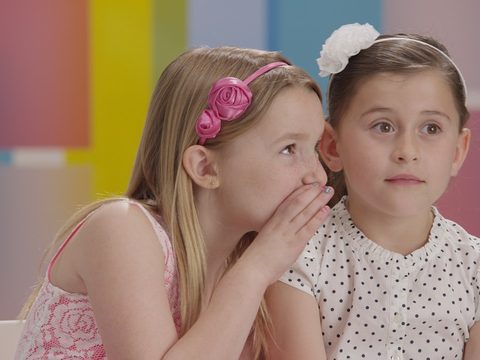 Somebody said that our teacher is leaving the school, but nobody knows if it's true. For now, it's only a
_____.
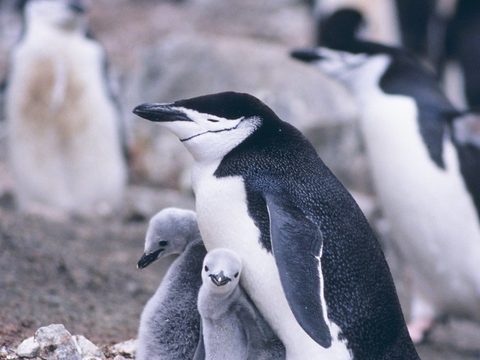 Last night we watched a
_____ about penguins. Nothing in it was made up: a camera team followed real penguins for a whole year.
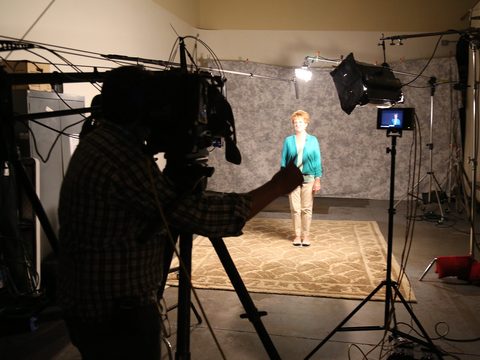 Before the video started, there was a thirty-second
_____ for a new soda, and I couldn't skip it.
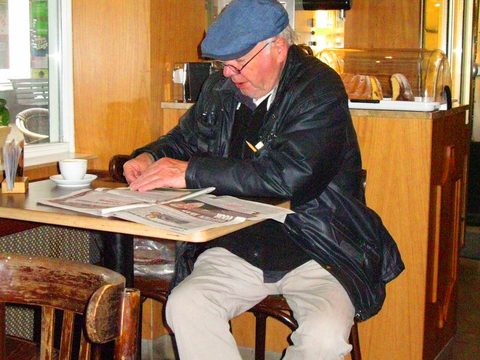 My grandfather doesn't like to read the news on a screen. Every morning he buys a
_____ and reads it with his coffee.
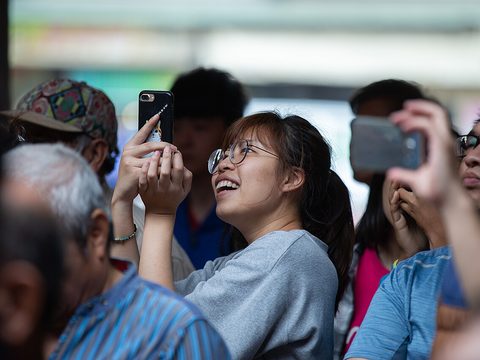 When the famous actor walked into the restaurant, everybody took out their phones. It isn't every day that you see a real
_____ eating pizza at the next table.


