SPEAKING CLUB · TOPIC 44

Money and Shopping

Cash or card, store or online, spend or save. Sixty-three questions in three levels: find yours, talk about how you shop, and give a reason every time.

A1-C2 60 min Focus: speaking · 3 levels Home
EXERCISE 01Speaking

Warm-up

Ask and answer with a partner, or with me. Tap a card when you have answered it.

Teacher Alvaro

Money in, money out. Today you talk about what you buy, where you buy it and how you pay, at your own level. Every answer gets a reason: because …
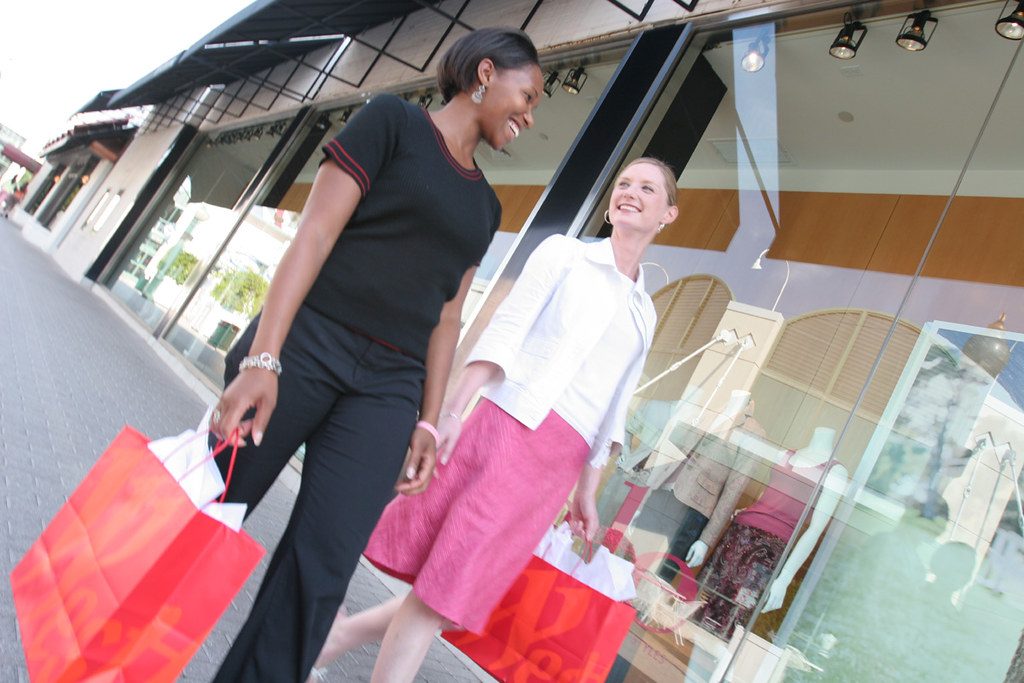
Two smiling women walk past store windows at an outdoor mall, each carrying red shopping bags
Useful language
I usually pay with my card.I pay with my phone. I keep my money in my wallet.I prefer small stores. It's cheap, but it makes me happy.I buy … with it. / I save it. How much is it?It's too expensive!
0 / 0
EXERCISE 02Vocabulary

Money and shopping words

Click a word, then click its meaning. Correct pairs turn green. The audio button says the word.

Word
Meaning
EXERCISE 03Vocabulary in context

Complete the sentences

Click a word in the bank, then click a gap. Click a filled gap to clear it.

Teacher Alvaro
  • These shoes are too small, and I still have the receipt. Can I _____ them and get my money back?
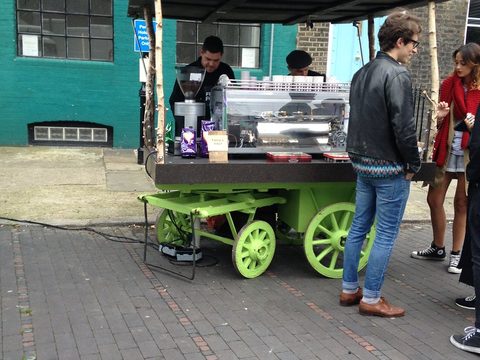
  • The little coffee cart in the park doesn't take cards, so always bring some _____ in your pocket.
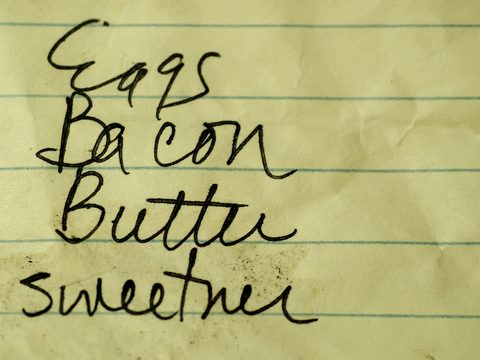
  • Before I go to the supermarket, I write a _____: milk, eggs, bread and apples. Then I don't forget anything.
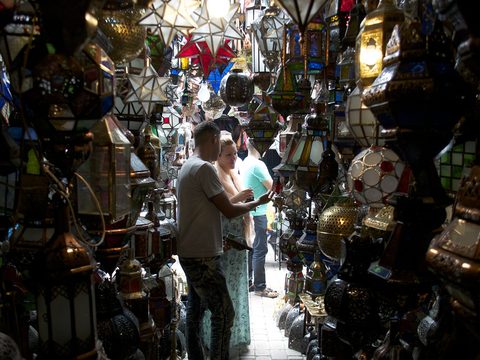
  • The man at the market wanted $20 for the old lamp. I decided to _____ with him, and in the end he sold it to me for $12.
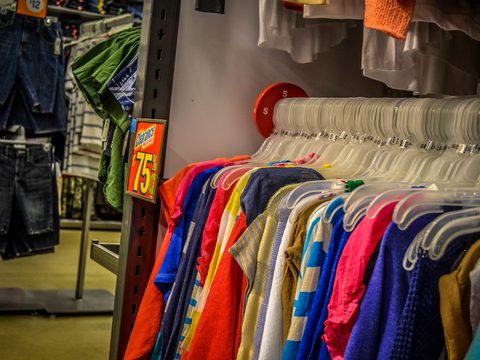
  • This jacket was $100 last week, but today it's on _____, so it costs only $60.
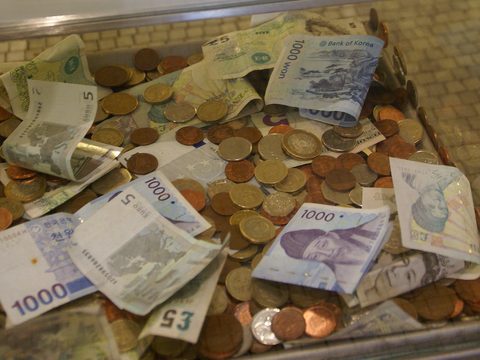
  • Every month, I put $50 in a box and don't touch it. I want to _____ enough for a new bike by December.
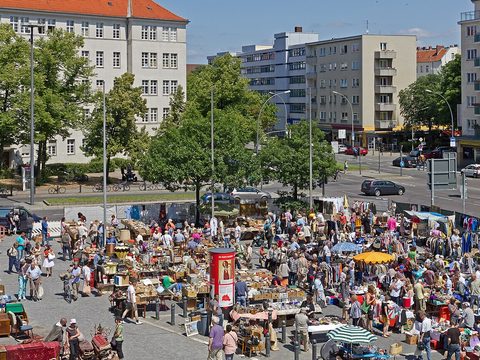
  • Every Sunday, more than a hundred sellers put their tables in the old square with used books, toys, lamps and cameras. I can walk around this _____ for hours.
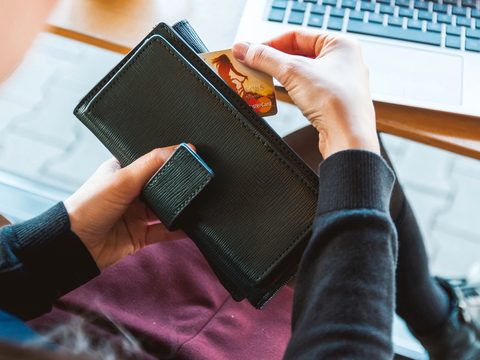
  • I don't have enough money right now, so I'm going to pay with my _____ and pay the bank next month.
EXERCISE 04Speaking · A1-A2

Beginner (A1-A2)

Ask and answer with a partner, or with me. Give a reason for every answer: because … Tap a card when you have answered it. Stuck? Open the answer prompts below the cards.

Answer prompts
1 · I enjoy shopping because ___, and I like finding ___ to buy. 2 · I typically buy ___ when I shop, but sometimes I also get ___. 3 · I prefer online shopping because it ___, and I like being able to ___. 4 · I go shopping ___ (once a week / every few days), since it helps me ___ (stay stocked up / get fresh food). 5 · I love buying gifts for others because ___, and I often choose ___. No, I don't like it because ___. 6 · My favorite store is ___, because it offers ___. 7 · I usually look for sales when shopping because I can ___ (save money / get more value), especially for ___. 8 · I spend around ___ on shopping each month. 9 · I make a shopping list before going to the store because it helps me ___ (stay organized / avoid forgetting items). I don't make a shopping list. 10 · Yes, I do. I compare prices to ___ (save money / get a good deal / stay within budget). No, I don't. 11 · The most expensive thing I've bought is ___ because I needed it for ___. 12 · I prefer to pay with ___ because it's ___. 13 · I like to try on clothes before buying because ___. / I don't like to try on clothes before buying. 14 · I've returned items before when ___ (it didn't fit / I changed my mind). 15 · I think clothes are ___ in my country, especially for ___ (quality brands / imported items). 16 · Yes! I enjoy shopping at flea markets because I can find ___ (unique items / good deals), and I've found ___ (vintage clothes / collectibles). No, I haven't! 17 · I usually go shopping ___ (alone / with friends) because it helps me ___ (focus on what I need / enjoy company). 18 · The last thing I bought was ___ because ___ (it was on sale / I needed it). 19 · Yes! I enjoy shopping for clothes because ___. No, I don't. I don't like it because ___. 20 · I sometimes buy things I don't need, like ___. 21 · A store I'd like to visit is ___, because it's known for ___ (unique items / a great shopping experience).
0 / 0
EXERCISE 05Speaking · B1-B2

Intermediate (B1-B2)

Ask and answer with a partner, or with me. Give a reason and an example for every answer: a store, a product, a price. Tap a card when you have answered it. Stuck? Open the answer prompts below the cards.

Teacher Alvaro
Answer prompts
1 · I prefer to spend money on ___ (experiences / things) because ___ (they create memories / I enjoy quality items). 2 · I decide to spend or save based on ___ (the item's importance / my financial goals), which helps me stay ___ (within budget / focused on savings). 3 · I think it's worth spending more on ___ (quality shoes / electronics) since they ___ (last longer / improve daily life). 4 · I set a shopping budget by ___ (assessing my needs / setting spending limits) to ensure I ___ (don't overspend / meet my savings targets). 5 · I save money by ___ (cooking at home / using discounts), which helps me reach my ___ (financial goals). 6 · I think online shopping is ___ (safe / risky) because ___ (websites are secure / scams are possible). 7 · I've tried bargaining before ___ (at a flea market), and it ___ (helped me save money / was challenging). 8 · Brand names are ___ (very important / not very important) to me when shopping, especially for ___ (clothes / electronics). 9 · I have spent more than planned, especially when ___ (there's a sale / I find something unique). 10 · I think advertising ___ (does / doesn't) influence me, especially for ___ (new products / popular brands). 11 · I think ___ (quality / quantity) is better because ___ (it lasts longer / it offers more variety). 12 · I buy luxury items ___ (rarely / occasionally) since they ___ (feel special / are high quality). 13 · I believe people should save for the future because ___ (it provides security / it prepares them for unexpected expenses). 14 · I keep track of expenses by ___ (using a budget app / writing them down), which helps me ___ (manage my spending / stay aware). 15 · I prefer to buy ___ (local products / imported goods) because ___ (I like supporting local businesses / I enjoy new options). 16 · I regret not buying ___ because ___ (it sold out / it was a rare find). 17 · I think buying on credit is ___ (useful / risky) since it ___ (can build credit / can lead to debt). 18 · I think money can ___ (partially / fully) buy happiness, especially when used for ___ (meaningful experiences / comfort). 19 · My opinion on investing is that ___ (it's essential / it depends on your financial goals), as it can help with ___ (building wealth / future security). 20 · I avoid impulse buying by ___ (waiting 24 hours / setting limits), which helps me ___ (save more / avoid regret). 21 · I think it's important to teach children about money because ___ (it builds responsibility / it helps them make better choices as adults).
0 / 0
EXERCISE 06Speaking · C1-C2

Advanced (C1-C2)

Discuss with a partner, or with me. Give your view, back it up with an example, and say what someone on the other side would answer. Tap a card when you have discussed it. Need a way in? Open the answer prompts below the cards.

Answer prompts
1 · My shopping habits reflect my values by ___ (prioritizing sustainable brands / avoiding excess consumption), which aligns with ___ (a personal belief, like environmental responsibility). 2 · Financial literacy plays a crucial role in society because ___ (it promotes better money management / it reduces debt), which benefits ___ (individuals and the economy). 3 · Digital technology has changed shopping behaviors by ___ (making purchases easier / enabling price comparisons), leading to ___ (increased convenience / impulsive buying). 4 · Consumerism impacts the environment by ___ (increasing waste / increasing resource use), which highlights the need for ___ (sustainable practices). 5 · I believe there is ___ (a significant / a limited) stigma around discussing finances because ___ (it's seen as private / it's tied to status). 6 · I would improve financial education in schools by ___ (adding budgeting lessons / using real-life simulations), which would give students ___ (real-world financial skills). 7 · Advertising impacts consumer culture by ___ (creating demand / shaping desires), often leading people to ___ (prioritize trends over needs). 8 · People should be more responsible with credit to avoid ___ (high debt / financial strain), which helps maintain ___ (financial stability / healthy spending habits). 9 · I feel ___ (comfortable / cautious) about borrowing from family or friends because ___ (it depends on trust / it could affect relationships). 10 · I think shopping habits vary between generations because of ___ (different values / digital familiarity), which leads to ___ (different spending patterns). 11 · People can shop more sustainably by ___ (buying local products / reducing single-use items), which helps ___ (minimize environmental impact). 12 · I manage risk in my financial decisions by ___ (researching investments / setting aside savings), which keeps me prepared for ___ (unexpected expenses). 13 · An emergency fund is important because ___ (it provides a safety net / it reduces stress), which can make financial challenges more manageable. 14 · Emotions affect spending by ___ (influencing impulsive purchases / encouraging comfort shopping), which can lead to ___ (overspending / regret). 15 · Shopping impacts local economies by ___ (supporting businesses / creating jobs), which contributes to ___ (community growth). 16 · Savings and investments contribute to financial security by ___ (building wealth / ensuring stability), which prepares you for ___ (retirement / emergencies). 17 · “Buy now, pay later” plans impact society by ___ (encouraging debt / making shopping accessible), which requires careful budgeting. 18 · I balance short- and long-term goals by ___ (setting immediate priorities / planning savings for the future), which ensures ___ (financial health over time). 19 · Influencer culture impacts spending by ___ (creating trends / promoting products), which can lead to ___ (impulse buys / increased consumerism). 20 · I think e-commerce ___ (might / might not) replace physical stores entirely because of ___ (the value of in-store experiences / the convenience of online shopping). 21 · My perspective on money and shopping has changed over time: now I ___ (focus more on needs / am more budget-conscious), which has helped me ___ (make wiser financial decisions).
0 / 0
EXERCISE 07Writing

Your answer in writing

80–120 words. Choose one question from your level (Exercise 04, 05 or 06) and copy it at the top. Then answer it: give your opinion or your experience, at least two reasons, and one real example (a store, a thing you bought, a price). Use your answer prompt only to start.

Teacher Alvaro
0 words
ENDEnd of lesson

My results

Check your score, then copy it and send it to your teacher on WhatsApp.

Teacher Alvaro

One job for this week. Keep your receipts for seven days. On Sunday, write three sentences in English about them: I spent … on … Which thing did you really need, and which one was just nice to have?