The World of English
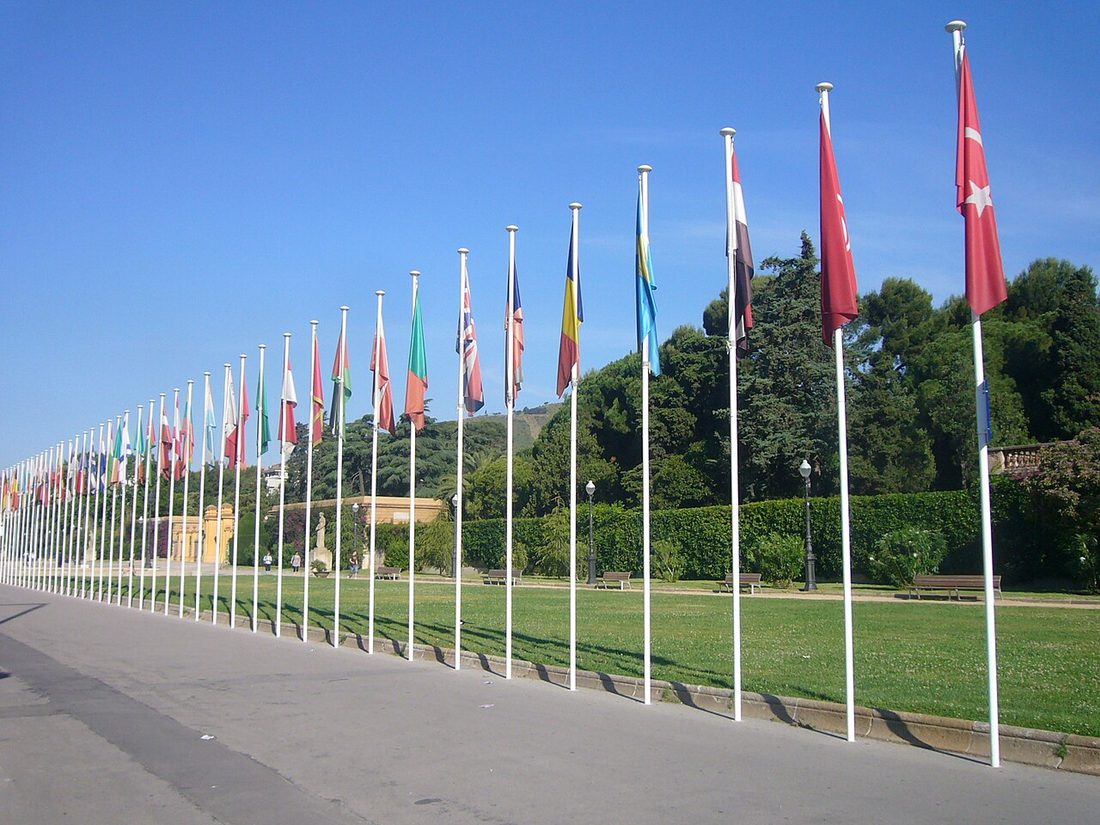
You already speak more English than you think: Wi-Fi, download, playlist, home office, CEO. Today you add twelve countries, one question — Where are you from? — and the eight little words that answer it.
Warm-up
Short answers. Tap a card when you have answered it.

Start with the good news. You use English words every day without noticing: Wi-Fi, download, playlist, home office. You are not starting from zero today.
Useful language
Words you already know
Click a word, then click its meaning. Correct pairs turn green. The audio button says the word.
Countries
Click a country in the bank, then click a gap. Click a filled gap to clear it.

 Kenji is Japanese. He is from
_____.
Kenji is Japanese. He is from
_____.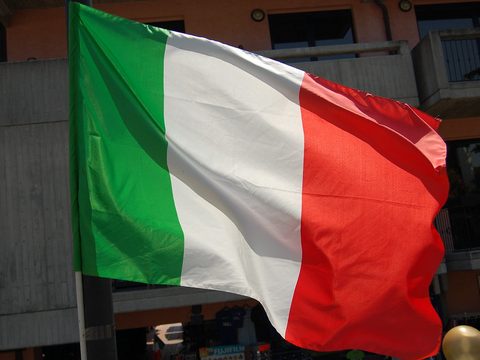 Giulia is Italian. She is from
_____.
Giulia is Italian. She is from
_____. Carlos and Lucía are Spanish. They are from
_____.
Carlos and Lucía are Spanish. They are from
_____. I am German. I am from
_____.
I am German. I am from
_____.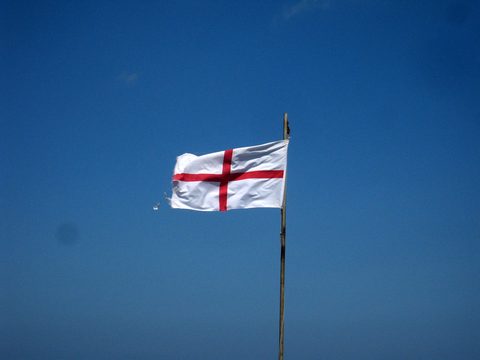 Emma is English. She is from
_____.
Emma is English. She is from
_____. We are Brazilian. We are from
_____.
We are Brazilian. We are from
_____. You are Canadian, so you are from
_____.
You are Canadian, so you are from
_____. This tea is Chinese. It is from
_____.
This tea is Chinese. It is from
_____.
Where are you from?
Watch the video first: the same question, many answers. Then read the conversation between Anna and Tom.
Anna and Tom are at an event. Anna starts: "Hi! What's your name?" Tom answers: "My name is Tom. What's your name?"
Anna says: "I'm Anna. Nice to meet you!" Tom answers: "Nice to meet you too, Anna." When the other person says it first, you add too.
Then Anna asks the question of the day: "Where are you from?" Tom says: "I'm from Canada. And you?" Anna says: "I'm from Brazil."


Tom is polite: "Oh, Brazil is beautiful!" Anna answers: "Thank you! Canada is nice too." Tom says: "Yes, it is."
At the end, Tom says: "See you later, Anna!" and Anna says: "Bye, Tom!" A dozen short lines, and they know each other now.
Multiple choice
Questions 1–5 are about the video, with the minute in the stamp. Questions 6–12 are about Anna and Tom.

-
What question do all the people answer? 00:08
One question, again and again. Count how many times you hear it.
-
The second person is from… 00:13
"I'm from Switzerland." It is one of the twelve countries on your flag list.
-
At 00:22 one person answers… 00:22
Germany appears twice in the video, at 00:22 and again later.
-
Many people do not answer with a country. What do they say?
North Carolina, Virginia, Washington DC, Kentucky, California. Inside the USA, people usually give the state.
-
Which three countries from your flag list are in the video?
Only three of the twelve flags appear. Everything else is a US state.
-
Who speaks first, Anna or Tom?
She opens with "Hi! What's your name?" — the easiest way to start a conversation in English.
-
Where is Tom from?
"I'm from Canada. And you?" — and And you? is how you give the question back.
-
Where is Anna from?
"I'm from Brazil." Notice the little word from — you always need it.
-
What does Tom say about Brazil?
"Oh, Brazil is beautiful!" A compliment is a very good second sentence.
-
And what does Anna say about Canada?
She says thank you first, and then gives the compliment back. That is what too does.
-
Why does Tom say "Nice to meet you too"?
Too means "the same for me". If you speak first, you do not use it.
-
How do they say goodbye?
Two very common goodbyes. See you later is friendly and does not promise a real time.
The verb to be: am, is, are

This is the most important verb in English. Portuguese has two verbs here, ser and estar. English has one, and it has three shapes: am, is, are. Learn the three today and half of A1 is done.
- I am → I'm · I'm Tom. I'm from Brazil.
- You are → You're · We are → We're · They are → They're
- He is → He's · She is → She's · It is → It's
- The verb is never missing: I'm from Brazil, never
I from Brazil. In Portuguese you can drop it; in English you cannot. - Only one verb: I'm from Spain, never
I'm am from Spain.
-
I ___ from Brazil.
I is the only word in English that takes am.
-
She ___ a teacher.
He, she and it all take is.
-
They ___ from Canada.
You, we and they take are.
-
It ___ a reality show.
A thing is it, and it takes is.
-
"You are Ana." The short form is:
The apostrophe replaces the a of are. Careful: your is a different word.
-
Which sentence is correct?
The verb must be there, and for he it is is.
-
We ___ students.
More than one person, so are. The short form is we're.
-
Which sentence is WRONG?
I'm already contains am. Using both puts the verb in the sentence twice.
Subject pronouns

- I = me · you = the person I am talking to (one person or many)
- he = one man · she = one woman · it = a thing, an animal, a country, the weather
- we = me + another person · they = two or more people or things
- Name + I = we: Maria and I are from Spain → We're from Spain.
- Two names = they: Mike and Paul are from Canada → They're from Canada.
- A country is it: Canada is nice. → It's nice.
-
Maria → ___
One woman. In English, people are never it.
-
Mike and Paul → ___
Two people, and I am not one of them.
-
Maria and I → ___
The word I is in the group, so the group becomes we.
-
a reality show → ___
A thing, so it — even when the thing is full of people.
-
Anthony → ___
One man.
-
Sofia and you → ___
English uses you for one person and for a group. There is no separate plural word.
-
Which pronoun do you use for a country?
Canada is nice → It's nice. Weather, animals and things all take it.
-
"Luisa is from Germany." Say it again with a pronoun:
One woman, so she, and the short form of she is is she's.
Write it with a short form
Write the whole sentence with a contraction. Example: I am Olivia. → I'm Olivia.

Do not forget the apostrophe. It is the little mark that takes the place of the missing letter: he is → he's.
-
aHe is Pedro.
-
bShe is Ana.
-
cWe are from Brazil.
-
dIt is a reality show.
-
eThey are from Canada.
-
fYou are a student.
-
gI am from Japan.
-
hShe is a teacher.
-
iThey are from France.
Say it again with a pronoun
Replace the names with a pronoun and use a short form. Example: Joana is from Brazil. → She's from Brazil.

-
aMike and Paul are from Canada.
-
bLuisa is from Germany.
-
cAnthony is from the USA.
-
dMaria and I are from Spain.
-
eCarlos and Jorge are from Brazil.
-
fSofia and you are students.
-
gCharles is from England.
-
hNoah and Shivani are from India.
Talking point
Full sentences, not one word. The last four cards are the Anna and Tom conversation — say your part out loud.
Useful language
Three famous people
40–70 words. Write two sentences about each of three famous people you like: who they are and where they are from. Example: She's Adele. She's from England. Use he's, she's and they're at least once each.

My results
Check your score, then copy it and send it to your teacher on WhatsApp.

One job for this week. Say five sentences out loud every day with I'm, he's, she's, we're and they're. Any five sentences. The verb becomes automatic in about a week.