Starting a New Hobby
Vera wants to make a big green cardigan in five days. She has never done crochet, the store has no green yarn, and one small piece takes an hour. She starts anyway.
Warm-up
Short answers. Tap a card when you have answered it.

Two kinds of question, and only two. Some start with Do or Does. Some start with Is or Are. Today you learn which is which — and you get to talk about the things you do for fun.
Useful language
Hobbies
Click a hobby, then click its meaning. Correct pairs turn green. The audio button says the words.
Complete the sentences
Click a word in the bank, then click a gap. Click a filled gap to clear it.

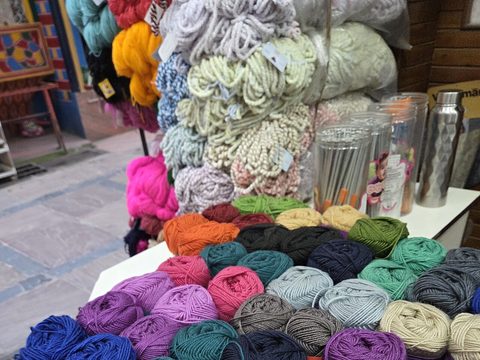 To do crochet you need
_____ — the long soft thread.
To do crochet you need
_____ — the long soft thread.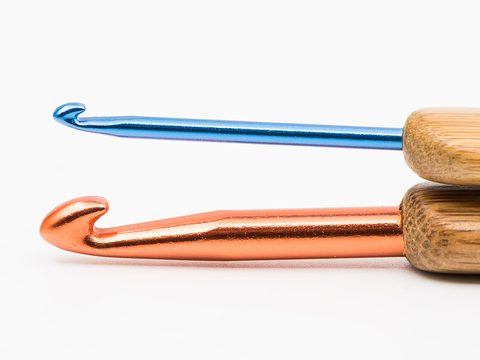 In crochet, you pull the thread with a small metal
_____.
In crochet, you pull the thread with a small metal
_____.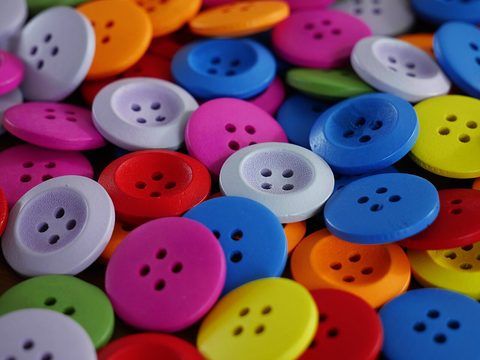 I close my shirt with six small
_____.
I close my shirt with six small
_____.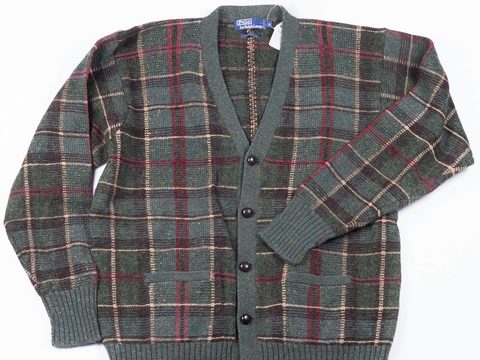 It's cold in the office, so I wear a warm
_____ over my shirt.
It's cold in the office, so I wear a warm
_____ over my shirt.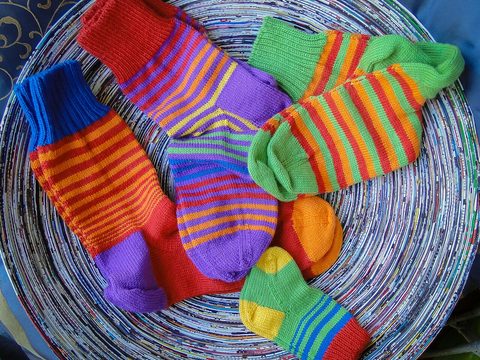 I have one
_____ on my left foot. Where is the other one?
I have one
_____ on my left foot. Where is the other one?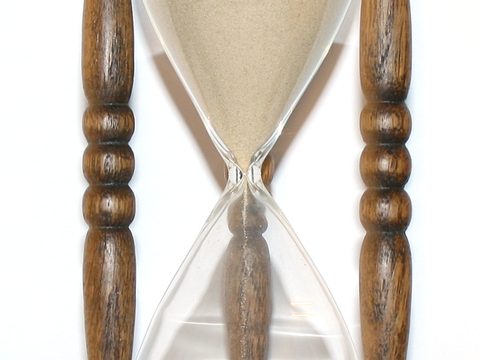 My little brother asks me the same question ten times. I need a lot of
_____!
My little brother asks me the same question ten times. I need a lot of
_____! You are tired after four hours at your desk. Stop and take a
_____.
You are tired after four hours at your desk. Stop and take a
_____.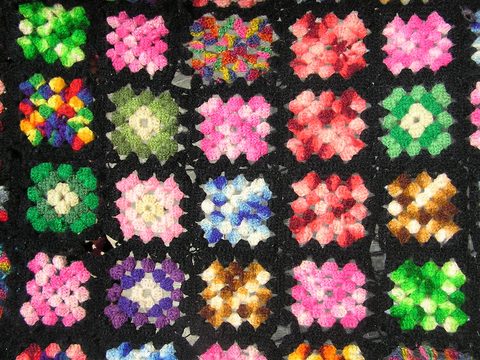 The kitchen floor has black and white
_____, like a chessboard.
The kitchen floor has black and white
_____, like a chessboard.
My new hobby
Vera tells the story herself. The audio button reads each part aloud.
"I like hobbies. I have many hobbies. I like reading, painting, climbing and playing music. Now I want to do crochet."
"I want to make a big green cardigan. I don't want to start with a hat or a sock — I want to try something big. I have four or five days."
"I go to the store and I buy yarn, a crochet hook, buttons and more. But I don't find green yarn. That is okay. I still want to try."
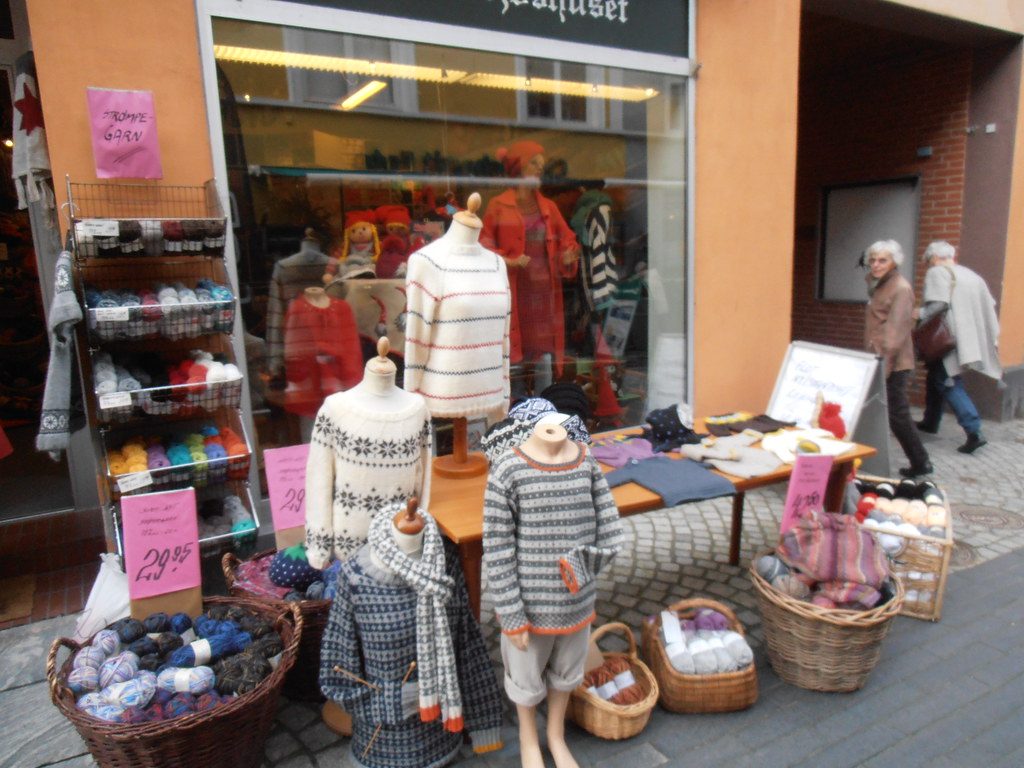
"Doing crochet isn't easy. I make one small piece and it takes one hour. I need time and patience."
"I stay at home and I do crochet. I do not use my phone. I feel calm. I feel happy. Hobbies help me relax and think."
"I like colors, and I want my clothes to show my style. I want to finish twenty crochet squares. I am slow, but I like it."
"Sometimes the world says: work, work, work. But I say: stop, have a break. I don't need to make money. Maybe I like this hobby, maybe I don't. That is okay too."
Yes or no?
Answer with the short answer. Notice which questions start with Does and which start with Is.

-
Does Vera have hobbies?
Many of them: reading, painting, climbing and playing music.
-
Does she want to crochet a cardigan?
A big green one — her first project ever.
-
Does she start with a sock?
She says no to the hat and the sock. She wants something big.
-
How many days does she have?
Not much time for a first cardigan.
-
Does she go to the store to buy things?
Yarn, a hook, buttons and more.
-
Does she find green yarn?
And she starts anyway. That is the most useful line in the text.
-
Is doing crochet easy and fast for her?
One small piece takes a whole hour. Careful: this question starts with Is, so the answer uses is too.
-
What does she NOT use while she crochets?
And that is why she feels calm.
-
Does Vera feel happy with her new hobby?
Calm and happy, even though she is slow.
-
Does she want to make fifty crochet squares?
Twenty, not fifty.
-
Does she want to make money with her hobby?
She says it directly. She only wants to try something new.
-
Is it okay if she doesn't like the new hobby?
"Maybe I like it, maybe I don't. That is okay." The point is the trying, not the cardigan.
Two kinds of question

Look at the verb, not at the question word. If the sentence uses be, that verb makes its own question. If it uses any other verb, you need do or does to help it.
- With be — no helper: Are they students? · Is gardening fun? · What is her favorite hobby?
- With other verbs — do or does: Do you play games? · Does he like cooking? · Where do you go on Saturdays?
- Never both:
Do they are students?·Is he likes cooking? - The test: take the answer. They are students → be family. He likes cooking → do family.
- Question words go in front of both: What is …? · What do you …?
-
What ___ you do in your free time?
The verb is do (the action), so it needs the helper do.
-
___ cooking and making cakes your favorite hobbies?
The answer is they are my favorite hobbies — the be family.
-
___ painting nice for you?
One thing, and the answer is painting is nice.
-
What ___ she do in her free time?
She takes does, and the second do is the real verb.
-
Which question is WRONG?
Two helpers in one question. Choose one family and stay in it.
-
___ your sister have a hobby?
The verb is have, not be — and sister is one person.
-
Where ___ your friends?
There is no other verb in the sentence, so be does the whole job.
-
Which one belongs to the do family?
The first two use is. Only the third has a different verb, so only that one needs does in a question.
Fun, relaxing, boring

- The shape: I think doing crochet is fun. The activity is one thing, so the verb is is.
- Six useful adjectives: fun · good · relaxing · boring · easy · difficult.
- To agree: Me too. · I think so too. To disagree: I don't. For me it's boring.
- To ask back: What about you? · And you? Two short phrases that keep a conversation alive.
- Careful: fun is not funny. Fun = you enjoy it. Funny = it makes you laugh.
-
I think doing crochet ___ fun.
One activity, so is.
-
Crochet and gardening ___ difficult hobbies.
Two activities, so the verb becomes plural.
-
A movie that makes you laugh is…
Two different words. A party is fun; a joke is funny.
-
Your friend says "I think drawing is relaxing." You agree. You say:
Short and natural. Me neither is for agreeing with a negative.
-
You disagree. You say:
Disagree first, then give your own word. Polite and clear.
-
How do you give the question back?
Four words that turn an answer into a conversation.
-
Which sentence is correct?
The activity takes the -ing form, and no the in front.
-
Vera is slow, but she likes it. So for her, crochet is…
Difficult and enjoyable at the same time — which is what a hobby usually is.
Put the words in order
Write the whole question. Three of them are be questions and three are not.

Find the verb first. If you see is or are in the list, it is a be question. If you see do or does, it is the other family.
-
1your / is / favorite / hobby / what?
-
2on Saturdays / you / what / cook / do?
-
3good / is / the course?
-
4sister / does / have / your / a hobby?
-
5hobbies / crochet / and / are / gardening / difficult?
-
6friends / where / your / are?
Complete with Do, Does, Are or Is
One word in each gap. Look for the other verb: if there is one, use do or does.

-
aWhere ___ your brother live?
-
bHow old ___ your teacher?
-
c___ Andre do a French course?
-
d___ you have a hobby?
-
eWhat time ___ she finish work?
-
f___ the students in the classroom?
-
gHow old ___ your children?
-
hWhen ___ you go to the gym?
-
iHow ___ your mother go to work?
Interview me, then I interview you
Ask the question out loud first, then answer it. Say which family each question belongs to.
Useful language
The hobby I want to try
60–100 words. Write like Vera: what you want to try, what you need to buy, why you want it, and what you think is difficult about it. Finish with three questions you would ask somebody who already does it — one with Is and two with Do or Does.

My results
Check your score, then copy it and send it to your teacher on WhatsApp.

One job for this week. Write five questions for somebody you know — some with Do and some with Are. Then actually ask them. The rule only becomes automatic when a real person answers.